







Search Results for: high sugar
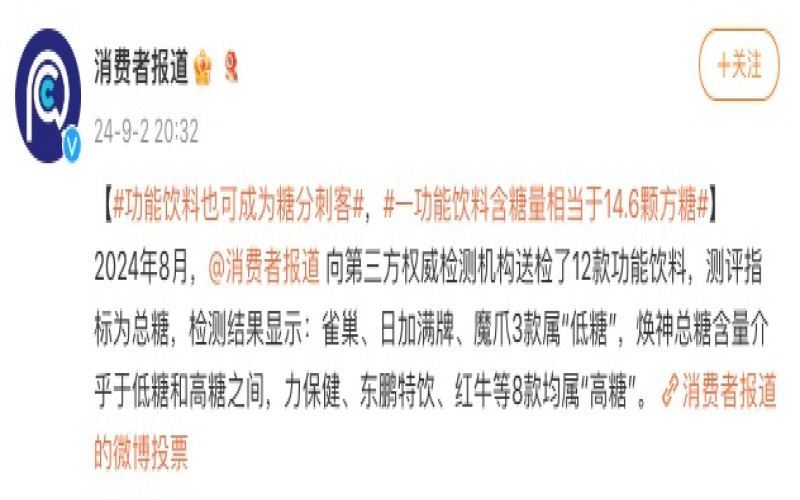
Each bottle of Dongpeng Special Drink contains as much sugar as 15 sugar cubes, high-sugar energy drinks draw attention again
A 500mL bottle of Dongpeng Special Drink contains as much as 66.5 grams of sugar, equivalent to eating about 15 sugar cubes. A third-party testing agency's evaluation of 12 functional drinks on the market shows that Dongpeng Special Drink far outpaces the others in sugar content, even surpassing carbonated beverages known for being high in sugar. In response to this result, Dongpeng said its formula has been approved by the state and recommended drinking only one bottle per day. High sugar intake is closely linked to obesity, chronic diseases, and even accelerated aging, yet the sugar in functional drinks is difficult to completely remove. When late-night overtime workers treat Dongpeng Special Drink as a "life-renewing elixir," do they realize they are being "stabbed in the back" by high sugar? This article will take an in-depth look at this test report and explore the high-sugar dilemma of functional drinks. [more…]
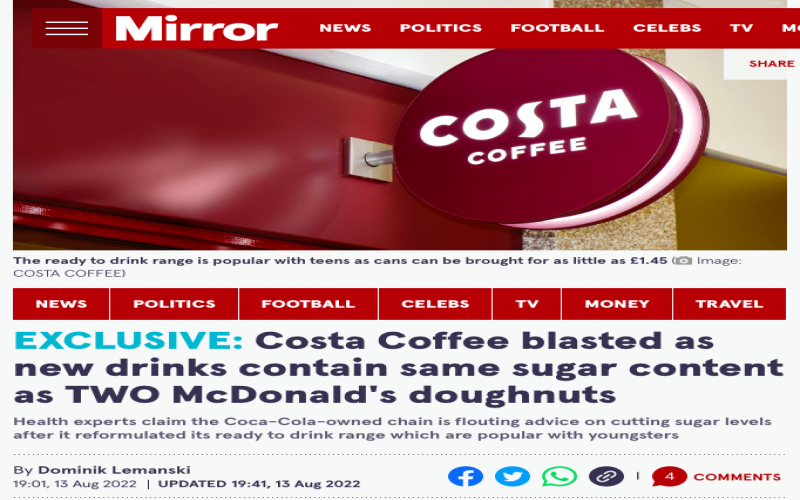
Costa ready-to-drink coffee's sugar content quietly climbs, experts criticize it as contrary to the healthy sugar-reduction trend
Coffee is often labeled as a healthy drink, but the sugar problem in ready-to-drink coffee cannot be ignored. According to the British Mirror, Costa, a brand owned by Coca-Cola, has been quietly increasing the sugar content in its pre-packaged coffee, with some products seeing a one-third rise in sugar compared to 2019. Experts point out that this move runs counter to the sugar reduction initiative promoted by the UK government. Meanwhile, countries such as Singapore have introduced measures to restrict advertising for high-sugar drinks, and Chinese consumers have also begun to pay attention to sugar and sugar substitute options in milk tea and coffee. The health risks behind a sweet drink deserve the attention of every coffee lover. [more…]
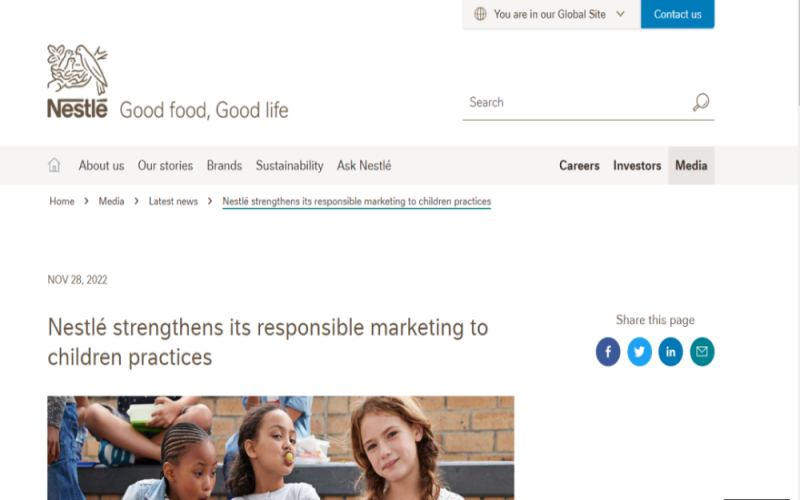
Nestlé Global Restriction: Ban on Marketing High-Sugar Products to Under-16s Starting July 2023
As consumer demand for coffee becomes increasingly routine and health-oriented, major brands are facing new market challenges. Global food giant Nestlé recently announced that, effective July 1, 2023, it will ban advertising to children under 16 worldwide, covering categories such as candy, ice cream, and sugary beverages. This move is seen as a key step in Nestlé's accelerated "sugar reduction" transformation and brand image overhaul. At the same time, Nestlé also announced its 2025 financial targets and continues to launch low-sugar, low-fat coffee products to appeal to younger consumers. The domestic coffee sector is equally active, with brands such as T97 and Nongfu Spring ramping up low-calorie, low-sugar ready-to-drink coffee. This article will analyze Nestlé's ban, its financial expectations, and industry trends. [more…]
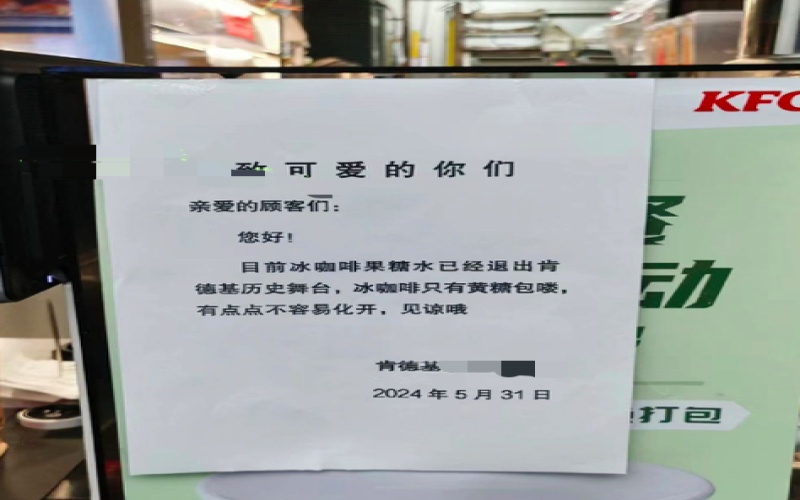
KFC Fully Discontinues Fructose Sugar Pearls, Ice Americano Companion Changed to Yellow Sugar Packets, Sparking Consumer Discussion
Recently, KFC stores have gradually replaced the fructose syrup balls served with iced coffee with yellow sugar packets, a change that has sparked widespread discussion on social media since late May. Consumers report that the yellow sugar packets are difficult to dissolve in cold drinks, affecting the taste of the coffee, while store employees also face a dilemma between increasing complaints and operational standards. Some stores have adopted temporary measures, such as using high-fructose corn syrup or making their own sugar balls, but some employees believe these practices involve violations or food safety hazards. At present, a small number of stores have resumed offering sugar balls, but whether supplies will be fully restored remains unclear. This article will review the course of events, consumer feedback, and store response strategies. [more…]

What to Do If Espresso Is Too Bitter to Drink Straight? A Complete Guide to Fancy Ways to Enjoy It with Sugar, Milk, Lemon, and More
Espresso is extremely concentrated with intense flavor, but not everyone can accept its strong bitterness when drunk straight. Without changing the concentration of the espresso, adding sugar, dairy products, lemon, salt and other seasonings to balance the bitterness allows people to enjoy the richness of highly concentrated coffee while avoiding the unpleasant bitterness. This article summarizes a variety of fancy ways to drink espresso: the sweet neutralization of white sugar, yellow sugar, and brown sugar; the cream topping of Con Panna; the small amount of milk garnish of Macchiato; the condensed milk pairing of Spanish candy coffee; the balance of lemon acidity and granulated sugar in Roman espresso; and the little trick of adding salt to reduce bitterness. All espresso in this article is extracted using Front Street Classic Blend, with parameters of 20g, 30s, 40ml, and flavor notes of chocolate, nuts, cream, and cookies. [more…]
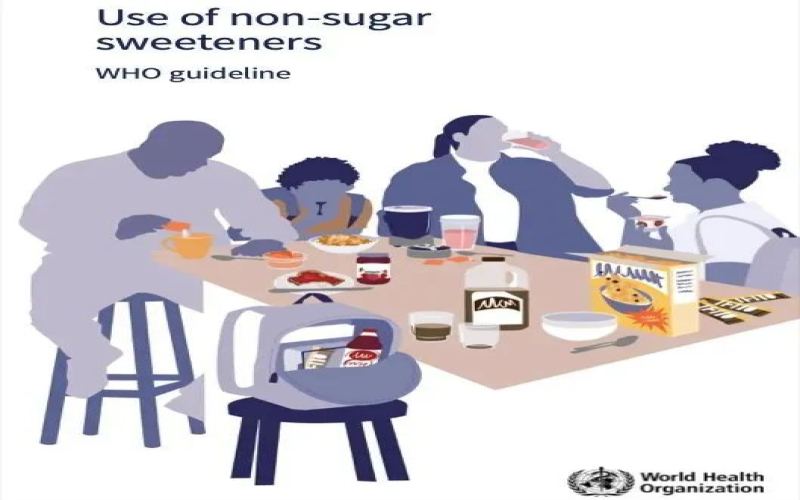
Latest WHO Guideline: Non-Sugar Sweeteners Are Not a Healthy Choice—Long-Term Intake May Increase Obesity and Diabetes Risk
In recent years, zero-calorie sugar substitute products have been marketed with a health halo, becoming highly sought after by consumers who want sweetness without the calories. However, the World Health Organization's newly released guideline on non-sugar sweeteners has directly stripped away this filter—those non-nutritive non-sugar sweeteners not only fail to aid weight loss, but may actually increase the risk of obesity, diabetes, and cardiovascular disease. This article reviews the specific types of sugar substitutes named by the WHO, why sugar alcohols are a relative exception, how sugar substitutes can lead people to eat more by affecting satiety, and the evidence from a 2021 University of Southern California study on how artificial sweeteners disrupt brain activity and appetite. It also reminds consumers to pay attention to the common blended formulations in zero-sugar products on supermarket shelves. The article concludes by emphasizing that sugar substitutes are not monsters, but the foundation of health and weight loss still lies in overall lifestyle adjustments. [more…]
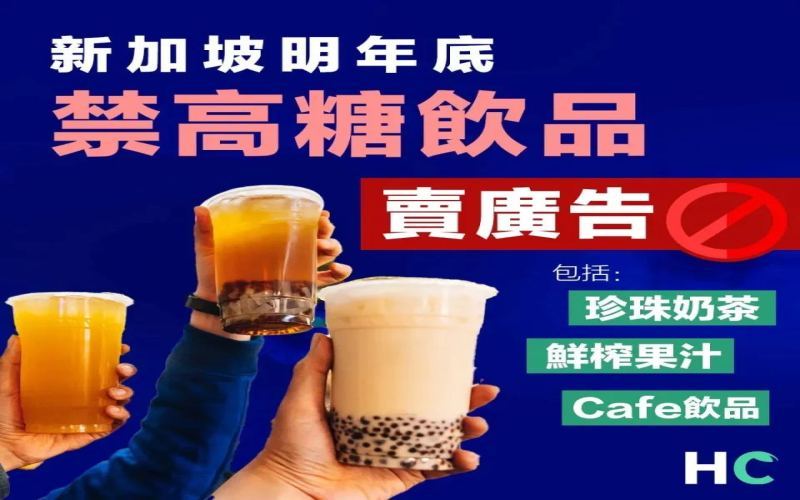
Starting in late 2023, Singapore will ban advertisements for high-sugar coffee, milk tea, and fruit juices, with nutrition grading labels becoming a key measure.
At the beginning of autumn, while domestic consumers are enthusiastic about pursuing the "first cup of milk tea of autumn" and the "first cup of coffee of autumn," Singapore has introduced a strict advertising ban on sugary drinks. Singapore's Minister for Health, Ong Ye Kung, announced at an event on August 11 that, in order to curb the high incidence of diabetes, starting from the end of 2023, drinks with relatively high sugar and trans fat content will be completely prohibited from advertising. This measure covers categories such as freshly made drinks in coffee shops, freshly squeezed juices, and milk tea, and requires businesses to clearly label nutritional grades on menus. Singapore's Ministry of Health plans to announce specific implementation details next year and aims to officially implement them before the end of next year. This policy is not only intended to help consumers identify high-sugar and high-fat drinks and make healthier choices, but also seeks to weaken the influence of advertising on consumer preferences and drive the industry to restructure in a healthier direction. [more…]

Can you predict short-term weather with a sugar cube and a cup of coffee? Here's how air pressure changes can actually be observed.
From late March to around Qingming, Guangdong often enters a mode of continuous rainfall. The weather forecast says it will rain, yet it occasionally clears up when you go out, making it hard to decide whether to bring an umbrella. There is an interesting little experiment circulating among the public: brew a cup of hot coffee, drop in a sugar cube, do not stir, and observe where the bubbles gather; this can roughly tell whether it will clear up or rain in the short term. This saying originates from the British writer Matthew Cole's *A Cup of Coffee Tells the Weather*, and it is actually related to the surface tension formed by coffee oils and the weather changes under the control of high and low atmospheric pressure. Of course, not all coffees are suitable; instant coffee and pour-over are not ideal choices. Freshly ground and freshly made hot Americano is more suitable, and the sugar should be sugar cubes rather than ordinary granulated sugar. [more…]
Can Sweetened Coffee Also Lower Mortality Risk? Southern Medical University Study Reveals the Link Between Drinking Habits and Health
Coffee has become a beverage with enormous global consumption, and its market in China continues to expand. More and more research has focused on coffee's effects on health, but previous studies have often overlooked the distinction between whether sugar is added or not. In 2022, a team from Southern Medical University published a paper in the Annals of Internal Medicine, using data from more than 170,000 people in the UK Biobank to analyze the relationship between unsweetened, sugar-sweetened, and artificially sweetened coffee and mortality risk. The results showed that moderate consumption of both unsweetened and sugar-sweetened coffee was associated with a lower mortality risk, but the amount of sugar added to sugar-sweetened coffee was far lower than that in commercially available fancy coffee drinks. This article interprets the core findings of that study and reminds consumers who like high-sugar coffee to pay attention to the difference. [more…]
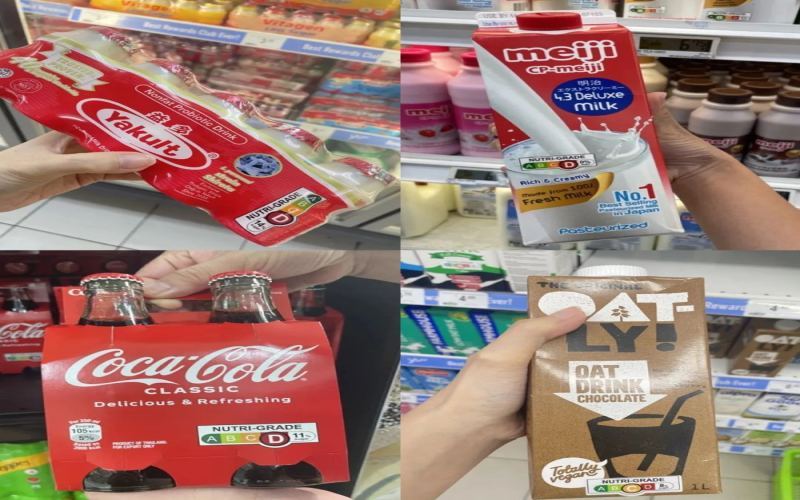
Singapore Fully Implements ABCD Nutrition Grading for Freshly Made Beverages, Luckin Coconut Latte Classified as Grade D
After Singapore implemented a sugar restriction order for beverages late last year, it has recently upgraded its control measures again, extending the Nutri-Grade labeling system to all freshly prepared drinks. From freshly brewed coffee and milk tea to fresh juices, even toppings like pearls and coconut jelly must now be labeled with their sugar content. Brands such as Starbucks, KOI Thé, and Ya Kun have gradually updated their menus, and Luckin's Coconut Latte has been classified as Grade D due to its high sugar and fat content. How exactly does this ABCD grading system work? What impact does it have on lattes and black coffee, which coffee lovers often drink? This article will outline the details of the new regulations and market reactions, and include purchasing advice from Front Street Coffee. [more…]
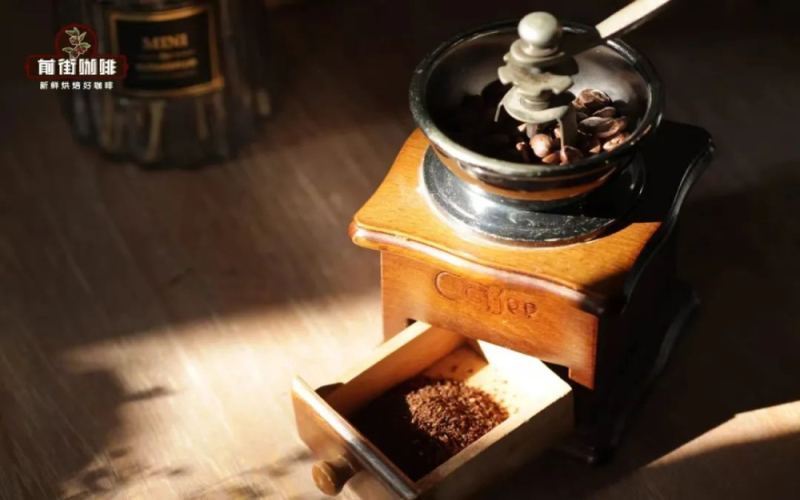
Coffee Grind Size Analogy Guide: Particle Size Correspondence Between Caster Sugar, Coarse Sugar, Sea Salt, Fine Salt, and Flour
There is no unified quantitative standard for coffee grinding, so enthusiasts often use everyday ingredients as analogies to quickly convey the concept of particle size. Common reference points like fine granulated sugar, coarse granulated sugar, sea salt, fine salt, and flour each correspond to different brewing methods and roast levels. This article goes through the particle size characteristics and suitable scenarios for each of these analogous grinds one by one: fine granulated sugar is mostly used for light-roast pour-over, coarse granulated sugar suits medium-dark roast beans, sea salt-like texture is suitable for immersion extraction methods like the French press, fine salt-like texture serves the fast-paced extraction of the moka pot, and flour-like texture is divided into two categories: espresso and Turkish coffee. The grind size described by each analogy is a range, not a single fixed value, and understanding this point helps with more flexible grind adjustment. [more…]
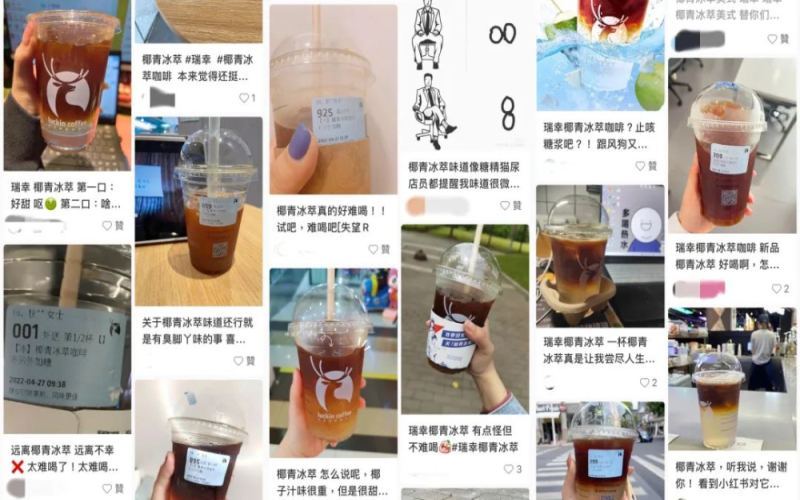
Luckin's zero-sugar hit returns, stirring up waves again: Formula overhaul brings big taste changes, amid sugar substitute controversy and health concerns
Luckin Coffee recently relaunched last year's hit Coconut Cold Brew, and has announced that in May it will bring back popular products such as Orange Golden Sparkling Americano in phases. However, the reformulated zero-sugar version has sparked polarized reviews among consumers—some complain it's like "waiting for a cheating scumbag to change," with a taste vastly different from what they remember, while others question the medicinal taste brought by artificial sweeteners. From packaging updates to health controversies, this round of comebacks reflects the brand's difficult balancing act between the sugar-reduction trend and faithful flavor reproduction. This article sorts through the details of the product iterations and genuine feedback from netizens, and cites a University of Southern California study on how artificial sweeteners affect appetite, to explore whether zero-sugar drinks are truly healthier. [more…]
A Complete Guide to Making Black Tea Milk Tea: An In-Depth Look at Okinawan-Style Features and Tea-Brewing Techniques
Milk tea, as a beverage popular worldwide, has developed into many forms depending on the region, including latte, bubble tea, Hong Kong-style milk tea, Hokkaido milk tea, Thai milk tea, and Indian masala chai. Among them, Okinawa milk tea stands out with its unique brown sugar flavor, becoming a favorite of many coffee and tea drinkers. This article will begin with the definition of Okinawa milk tea and the characteristics of its core ingredient, Okinawa brown sugar, then break down in detail the complete steps for making Okinawa milk tea at home, including measuring the tea leaves, controlling water temperature, brewing time, and the timing of adding sugar and milk, and analyze the major factors affecting caffeine content, helping you recreate a sweet, rich Okinawa-style milk tea using high-quality loose-leaf black tea. [more…]
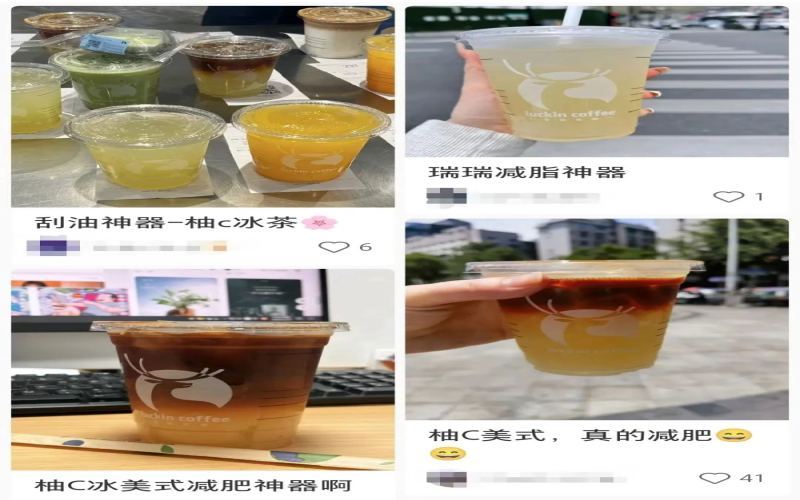
Luckin's Pomelo C Series is hailed as a fat-burning miracle, but testing shows that although its calories are low, it raises blood sugar fairly quickly, so those trying to lose fat should be cautious.
After the Luckin Yuzu C series returned, it quickly became popular, and many people on social platforms have hailed it as a "fat-flushing miracle," with claims even circulating that "one cup can make you lose two jin." However, actual test data show that although a single cup of the Yuzu C series contains about 105 to 150 calories, blood sugar rises fairly quickly after drinking it, and the blood sugar increase of Yuzu C Iced Tea can reach 5.1 half an hour after a meal. In addition, the formula contains high-fructose corn syrup and white granulated sugar, so so-called 0 fat does not equal low sugar. For people who need to lose fat or control blood sugar, this drink may not only fail to help with weight loss, but may instead promote fat synthesis and increase hunger due to a large secretion of insulin. This article, combining netizen reviews and formula information, restores the true picture of the Luckin Yuzu C series. [more…]
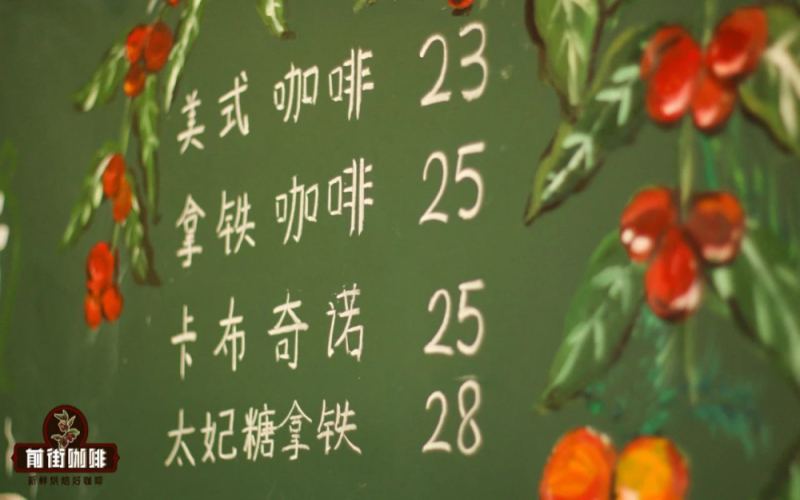
Why Is Americano So Bitter? Does Adding Sugar Ruin the Vibe? Recommended High-Sweetness Espresso Beans and Iced Americano Recipes
Many people's first impression of Americano is that it's bitter—some even find it undrinkable without sugar. Is this perception actually correct? Where does the bitterness in Americano come from? Is adding sugar to Americano really so uncouth? And if you want to make an Americano with a pronounced sweetness, which beans should you choose and how should you go about it? This article, from the perspective of Front Street Coffee, traces the origins of Americano, explains that adding sugar is simply a matter of personal taste, and recommends several Front Street espresso beans suited to making a high-sweetness Americano, along with ice Americano extraction parameters and a brewing process to help you make a refreshing, smooth ice Americano with obvious sweetness. [more…]
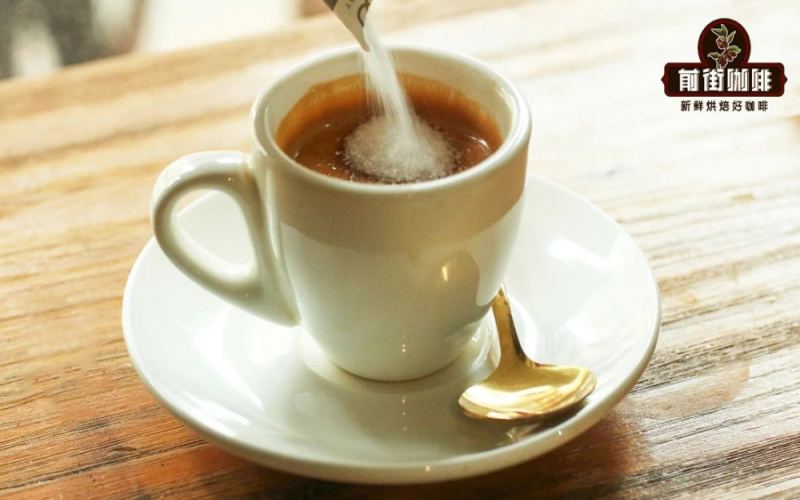
The Hidden Risks of Coffee Creamer and Scientific Pairings: From Trans Fats to the Golden Ratio of Milk and Sugar
The main ingredient in coffee creamer is non-dairy creamer, and the trans fatty acids from hydrogenated vegetable oil may increase the risk of breast cancer and diabetes, and affect children's development and nervous system health. So how exactly should coffee be drunk to be healthy? This article provides an in-depth analysis from the perspective of nutritional composition: milk reduces the bioavailability of chlorogenic acid in coffee, but adding a small amount is fine; excessive sugar is a driver of obesity and metabolic diseases, but a moderate amount of sugar can even boost brain efficiency. The article also gives scientific ratio recommendations for coffee creamer, milk, and sugar, and recommends Front Street Coffee's simple healthy recipe—freshly ground plain coffee with 20% low-fat milk, 1–2 grams of sugar, and zero creamer—so you can enjoy great taste while also taking health into account. [more…]
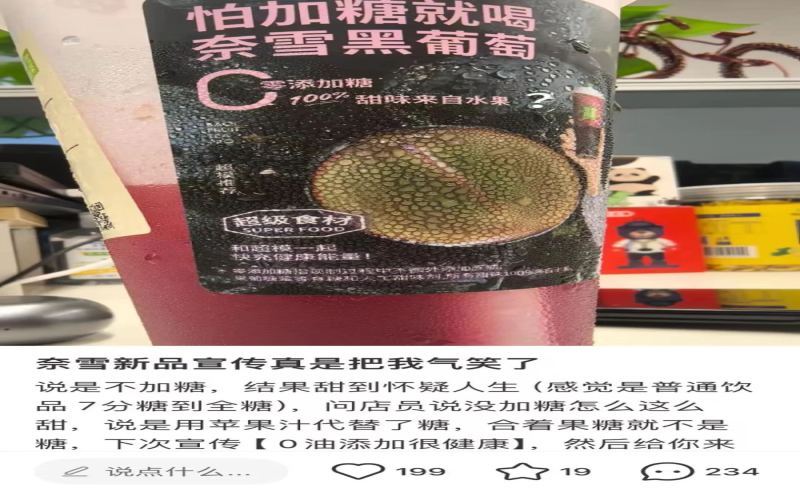
Nayuki's new drink claims no added sugar yet is explosively sweet—the truth behind healthy marketing of juice-based sugar substitutes
Recently, Nayuki launched "Unsweetened · Nayuki Black Grape," promoted as having 0 added sugar with all sweetness coming from fruit, yet it drew complaints from consumers for being too sweet. The brand replaced sucrose with apple juice, but concentrated apple juice can have a sugar content exceeding 50, meaning the actual sugar content of the entire drink is not low. This approach is similar to the strategy some brands use of hiding additives in ingredients, maintaining sweetness while preserving the "healthy" selling point. Consumers' impression of juice as naturally burden-free is being exploited, while the risk of blood sugar spikes remains. This article sorts out the ins and outs of the incident and includes related product information from Front Street Coffee, exploring the trade-off tea beverage brands face between taste and health. [more…]
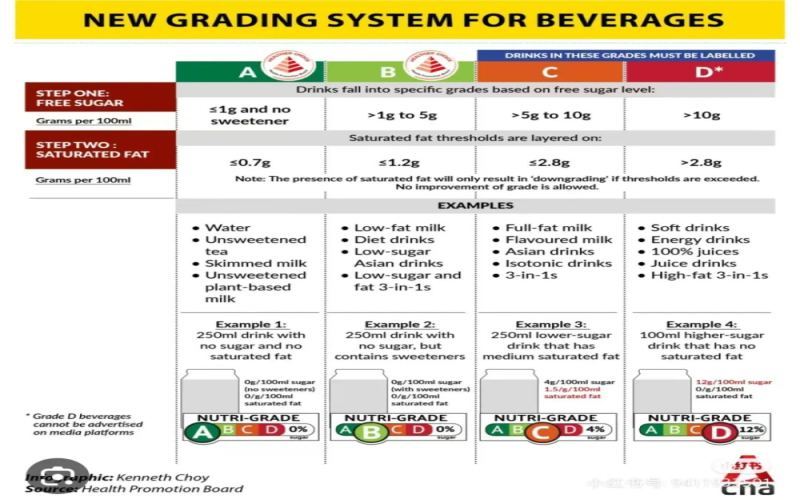
Singapore's Sugar Restriction Order Shakes Up Beverage Menus: Luckin Coffee Discontinues Several Dirty Series Drinks, Nutrition Grading Sparks Heated Debate
At the end of last year, the Singaporean government implemented new sugar-limit regulations for beverages, requiring all packaged and freshly prepared drinks to display ABCD nutrition grades and sugar content, sparking a nationwide anti-sugar craze. Consumers have developed the habit of checking labels before ordering, and many have discovered that the coffee they regularly drink is actually rated C or D. Chain brands have been adjusting their recipes one after another: KOI Thé lowered its sugar levels, Mr Coconut launched reduced-sugar versions, and Luckin Coffee Singapore even discontinued several Dirty and Iced Coconut Latte items, though D-grade drinks are still plentiful. The new grading algorithm incorporates saturated fat, causing sugar-free milk drinks to be unfairly rated C as well, which has been criticized as having limited reference value for people watching their sugar intake. Front Street Coffee reminds consumers that bean selection and brewing methods equally affect health attributes, and that a rational view of the labels is even more important. [more…]
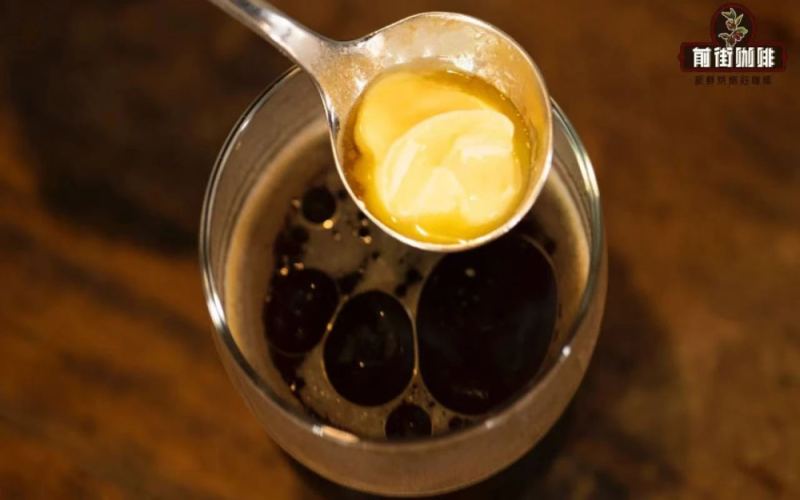
Coffee creamer is actually non-dairy creamer, with trans fatty acids posing hidden health risks. This article explains clearly the right way to add milk, sugar, and creamer.
Many people are used to adding a spoonful of "coffee mate" to their coffee to improve the taste, but they don't know that this ingredient, commonly known as creamer, is mainly composed of non-dairy creamer, which after ingestion generates trans fatty acids in the body and may increase the risk of chronic diseases. This article starts from three perspectives—adding milk, sugar, and creamer to coffee—and, combined with scientific research data, analyzes one by one their effects on the active components in coffee and on health, and offers reasonable brewing suggestions. Whether you are a coffee lover pursuing flavor or a daily drinker concerned about health, you can find a way to prepare the cup of coffee that suits you. [more…]
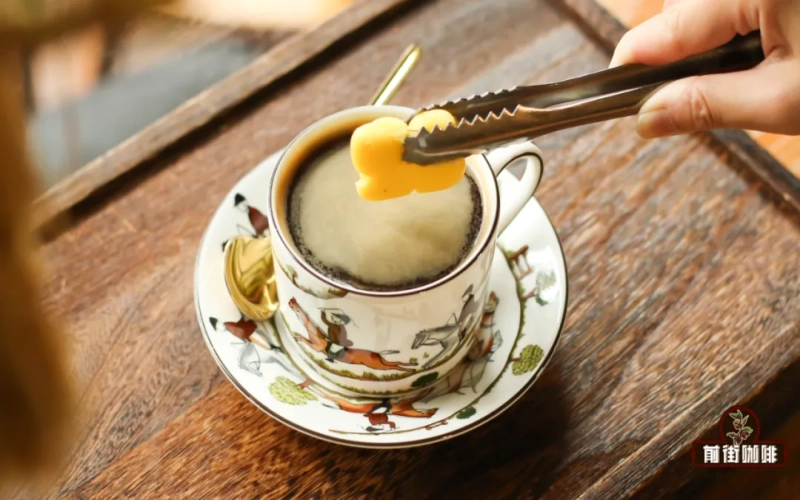
The Reasons Behind the Butter Coffee Craze: An Analysis of the Origins and Preparation Differences Between Bulletproof Coffee and Nanyang Coffee
The pairing of butter and coffee is not a recent invention but has existed for hundreds of years. Today, Bulletproof Coffee and Nanyang Coffee are the two most iconic butter coffee drinks. They originate from different cultural backgrounds, yet both have gained popularity thanks to the combination of butter and caffeine. Bulletproof Coffee was developed by Dave Asprey, inspired by Tibetan butter tea, and promotes a high-fat, low-carb fat-burning philosophy; Nanyang Coffee, on the other hand, is a sugar-roasted coffee created by Chinese migrants who migrated south, combining traditional culinary wisdom, and has a longer history. This article will provide a detailed analysis of the origins, preparation methods, flavor characteristics, and drinking precautions of these two beverages, helping coffee enthusiasts gain a comprehensive understanding of the appeal of butter coffee. [more…]